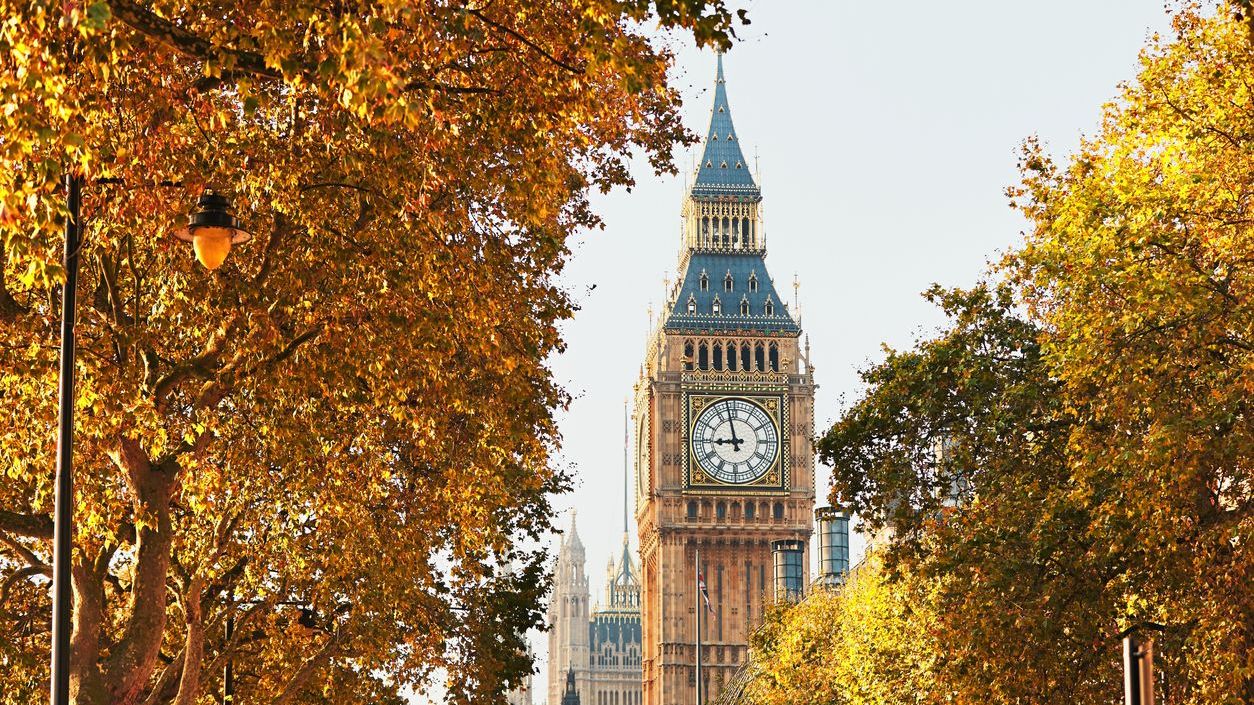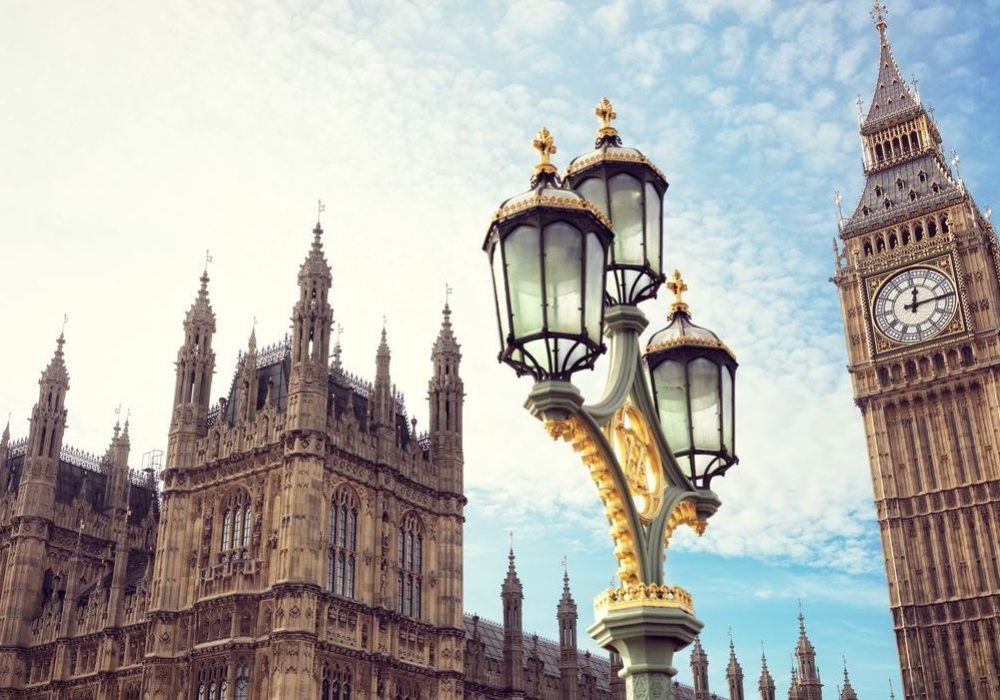
London is one of the most visited cities in the world, yet beyond landmarks like Big Ben, the Royal Ballet and Opera House, or the Tower of London lies a quieter, more intriguing layer. These lesser-known areas uncover hidden gardens, secret viewpoints, and cultural surprises that many people overlook.
This guide explores some of the most fascinating secret places in London. Whether planning secret London walks or simply looking to escape the crowds, these locations highlight the true hidden secrets of London.
London’s hidden secrets
London’s layout is shaped by centuries of growth. From Roman roads to Victorian markets, the city hides layers that are not immediately visible.
Why explore these hidden spots?
- Avoid crowds: Popular attractions like the British Museum can see 6 million+ annual visits, while many hidden places remain quiet.
- Experience local culture: Lesser-known areas often reflect authentic neighbourhood life.
- Discover unique history: Many of these sites date back centuries but remain under the radar.
These locations are also ideal for slow travel, walking routes that allow you to connect different districts through secret London walks.
Discovering secret places in London
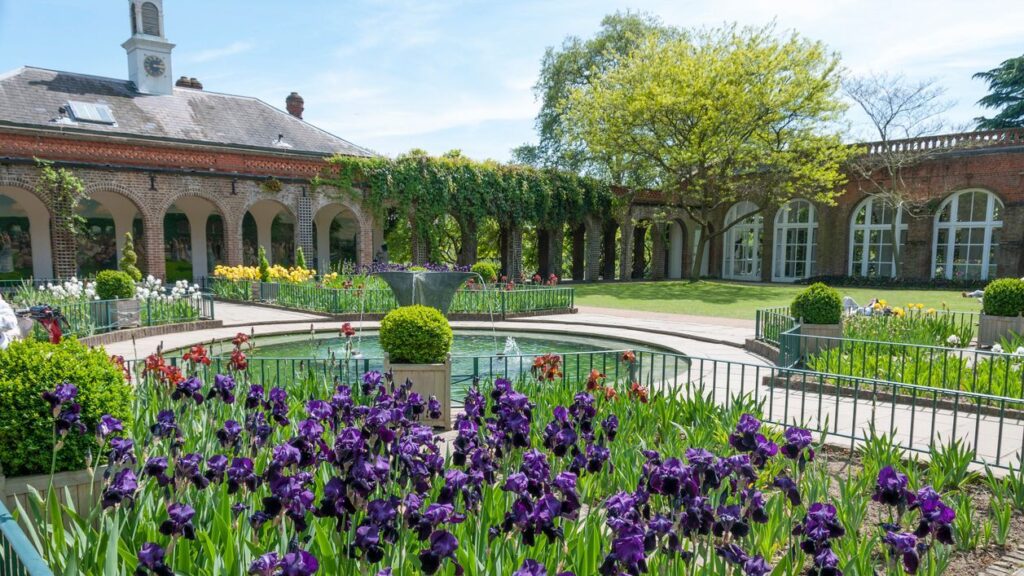
The Hill Garden and Pergola
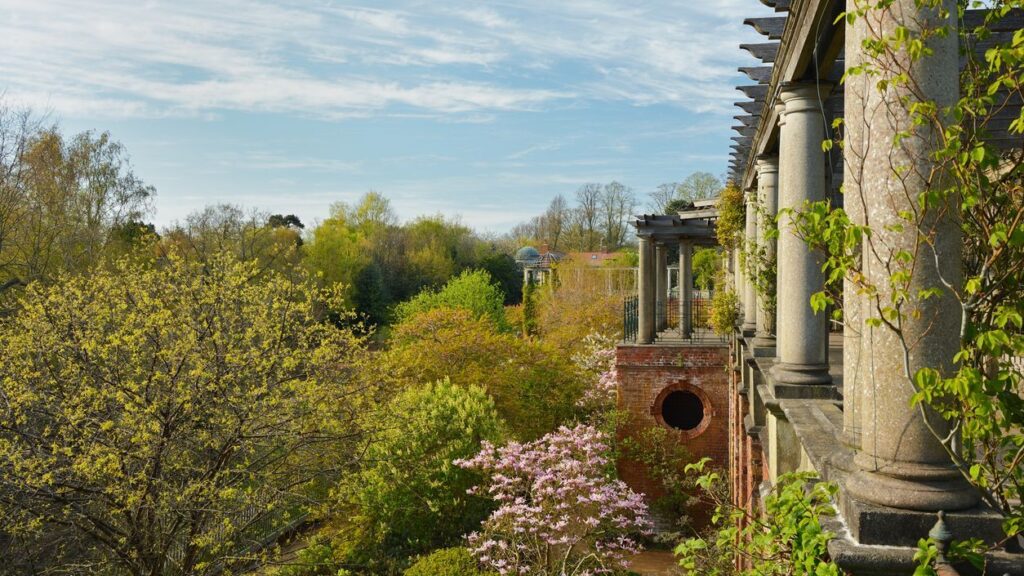
Located in Hampstead Heath, this elevated garden dates back to the early 20th century and was once part of a private estate.
Why it stands out:
- Elevated views over North London
- Roman-style pergola covered in seasonal foliage
- Free entry and relatively uncrowded
Best time to go: Spring or early autumn for greenery and fewer people
Pros:
- Peaceful atmosphere
- Great for photography
Cons:
- Slightly remote location
- Limited facilities nearby
Leadenhall Market
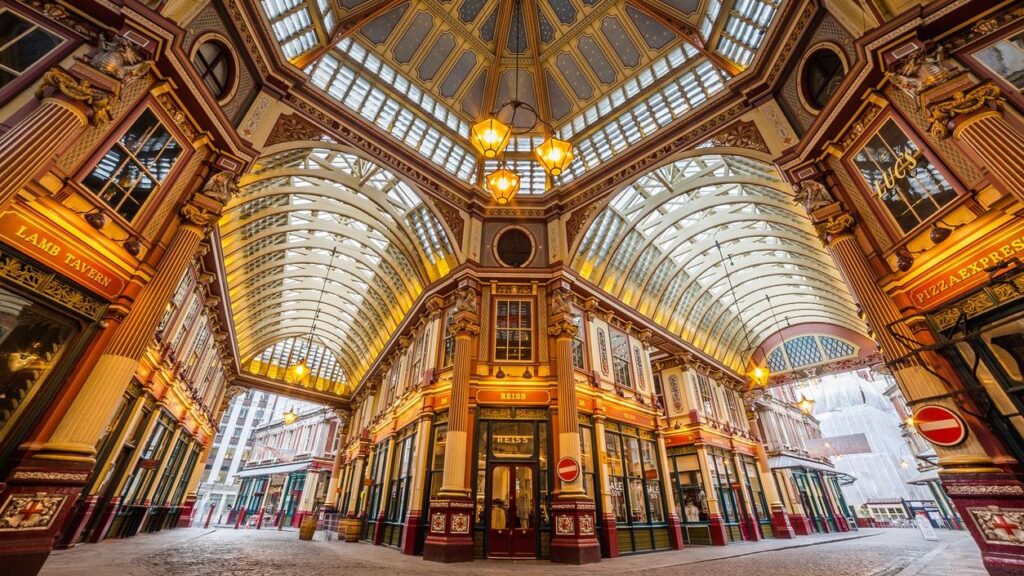
Hidden in the City of London, this Victorian market is often overlooked despite its architectural beauty.
Key facts:
- Originally dating back to the 14th century
- Redesigned in 1881 with ornate ironwork and glass roofing
What to do:
- Explore boutique shops
- Visit traditional pubs
- Spot filming locations (including scenes from Harry Potter)
Holland Park
While not entirely unknown, many overlook the quieter sections of this West London park.
Highlights:
- Kyoto Garden, a Japanese-inspired landscape
- Woodland areas that feel removed from the city
Quick checklist:
- Visit the Kyoto Garden early in the morning
- Walk through the less busy woodland paths
- Combine with nearby Notting Hill
Barbican Conservatory
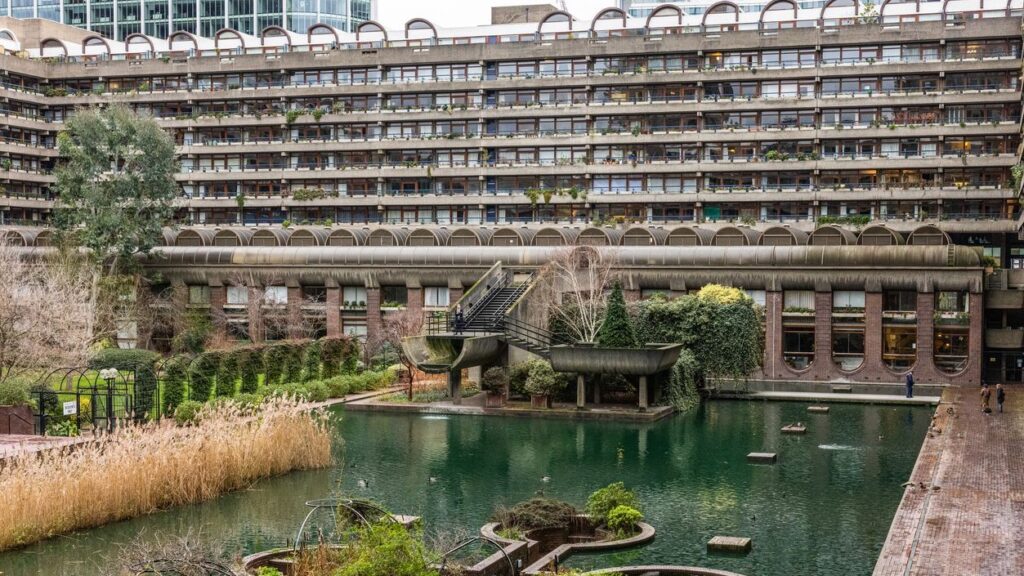
This indoor tropical garden sits within the Barbican Centre, one of London’s most iconic Brutalist structures.
Interesting data:
- Home to 2,000+ plant species
- Second-largest conservatory in London after Kew Gardens
Pros:
- Unique contrast of nature and architecture
- Free entry (booking required on certain days)
Cons:
- Limited opening times
- Can feel crowded on weekends
Chelsea Physic Garden
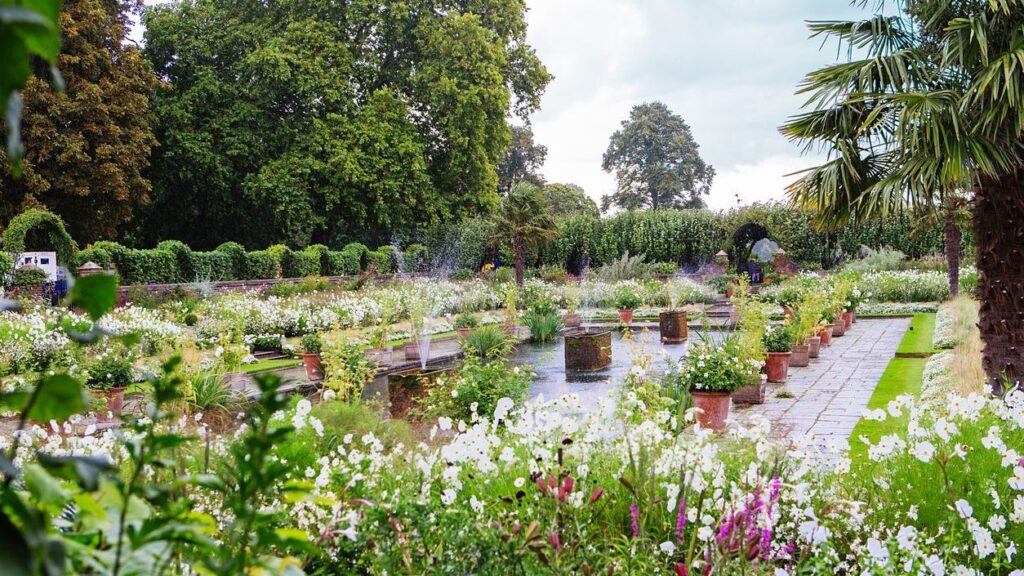
Established in 1673, this is one of London’s oldest botanical gardens.
Why it matters:
- Created for studying medicinal plants
- Houses over 4,500 species
Must-do:
- Explore the glasshouses
- Learn about historical plant uses
- Visit the café for a quiet break
God’s Own Junkyard
Located in Walthamstow, this warehouse space is filled with neon art and signage.
What makes it unique is its striking collection of both vintage and modern neon pieces. The lively setting has also made it a popular location for photoshoots and a hub for creative projects.
Tips:
- Visit during weekdays for fewer crowds
- Combine with Walthamstow Village for a full outing

The Audley Public House
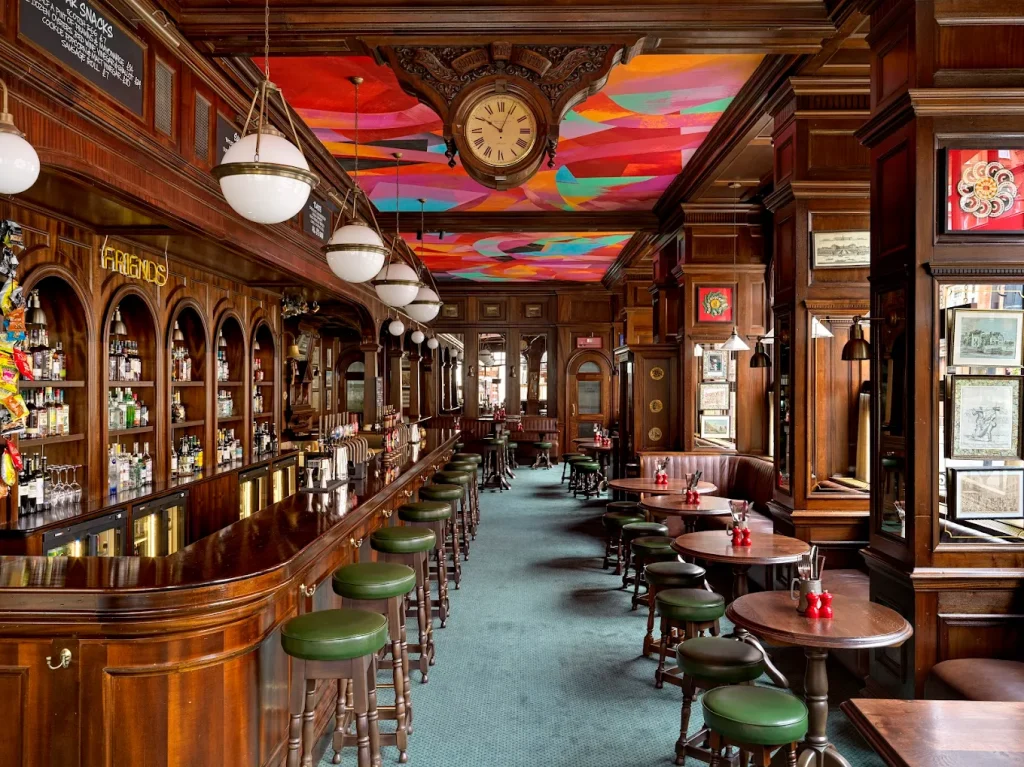
Recently restored, this historic pub in Mayfair blends traditional architecture with contemporary art.
Highlights:
- Original Victorian features
- Upper floors redesigned as an art space
Why include it in secret London walks:
- Located near Hyde Park but often overlooked
- Offers a refined yet relaxed setting
Garden at 120
A free rooftop garden in the City of London that provides skyline views without the crowds of Sky Garden.
Key features:
- Open-air design
- Views of landmarks like the Shard and the Walkie Talkie
| Feature | Garden at 120 | Sky Garden |
|---|---|---|
| Cost | Free | Free (booking required) |
| Crowd levels | Lower | Higher |
| Booking needed | No | Yes |
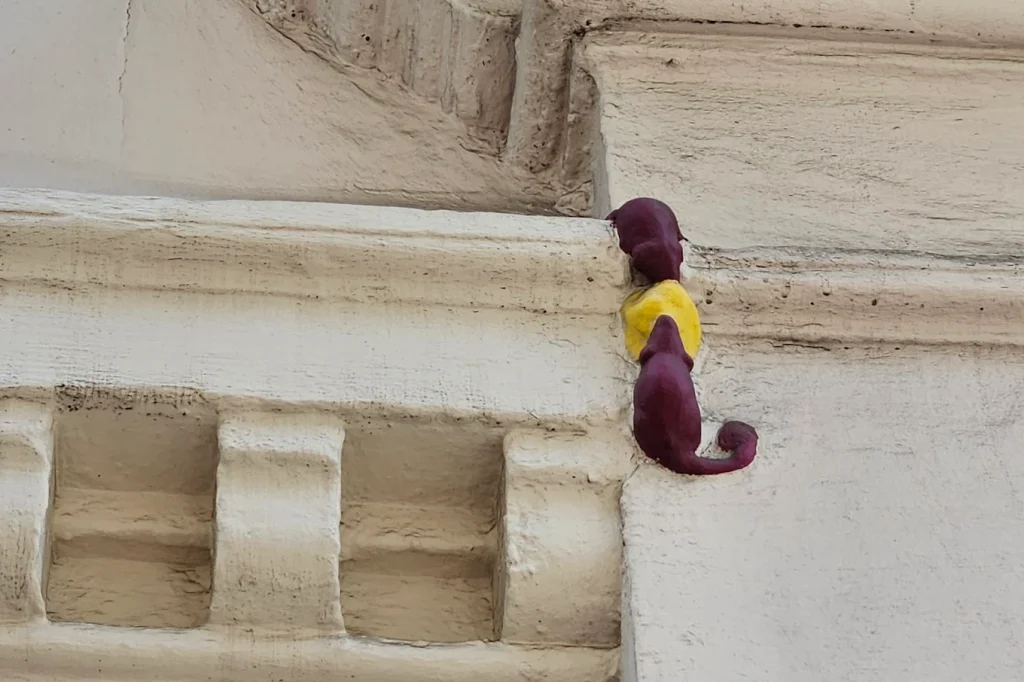
London’s smallest sculpture – Philpot Lane Mice
This tiny sculpture is easy to miss but carries historical significance.
Background:
- Created in 1862
- Commemorates a dispute between two builders
Why it’s interesting:
- One of the smallest public artworks in London
- Adds character to an otherwise ordinary street
Camden Passage (Islington)
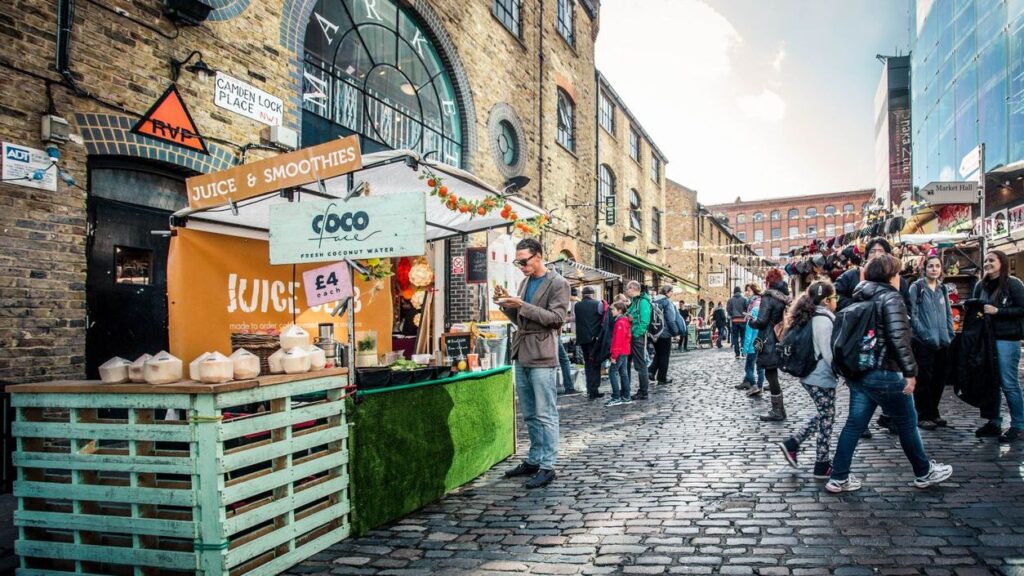
A charming pedestrian street known for antiques and independent shops.
What to expect:
- Antique markets several days a week
- Independent cafés and boutiques
Best time to visit:
- Wednesdays and Saturdays for full market activity
Must-do checklist for exploring hidden London
Planning is the best way to organise your London adventure and guarantee that you can not only visit all the main areas and attractions but also discover London’s hidden spots.
Before you go, start by checking opening times, as many hidden spots have limited access. Next, map out your route to connect locations smoothly and save time between stops. Finally, wear comfortable shoes, as exploring these areas often involves longer walks than expected.
During your visit:
- Start early to avoid crowds
- Combine 2–3 nearby locations into one walk
- Take time to explore side streets
Suggested mini itinerary:
- Morning: Leadenhall Market → Garden at 120
- Afternoon: Barbican Conservatory → Philpot Lane Mice
- Evening: The Audley Public House
Pros and cons of exploring hidden London
Exploring these hidden spots comes with several clear advantages, but it also involves a few practical challenges to keep in mind.
On the one hand, you can enjoy less crowded experiences, which makes it easier to take your time and explore at your own pace. In addition, these locations often offer a more authentic atmosphere, giving you a better sense of local life. As a result, they also provide unique photo opportunities that feel more original than typical tourist shots.
On the other hand, some challenges may arise. For example, certain locations have limited accessibility, which can require extra planning. Moreover, public transport coverage may be less convenient in some areas, meaning you might need to walk more or combine routes carefully. Finally, exploring these hidden spots generally requires more preparation than following standard tourist itineraries.
Why you should explore secret London now
London continues to evolve, but many of its most interesting areas remain tucked away in plain sight. Exploring these hidden secrets of London gives you a unique expereince, one that goes beyond major attractions.
When planning a trip, staying in a well-located apartment makes it easier to access these hidden spots. Urban Retreat Apartments offers accommodation across central neighbourhoods, providing a practical base for discovering both iconic landmarks and secret London walks at your own pace.